Power, Tools & Communications: Emergency Preparedness Hub
When the power goes out: whether for hours, days, or weeks: your ability to stay warm, stay informed, and stay in contact with your family depends on the right equipment. This hub covers solar generators, radios, lighting, off-grid heating, communications, and the essential tools every prepared household should own.
All product recommendations are tested, honestly reviewed, and linked to Amazon.
Emergency Tools and Supplies List
Before the category-by-category reviews below, here is the short version: the tools most households actually need, regardless of which specific product they choose.
Lighting, Manual Access, and Basic Repairs
- Headlamp and flashlight (1 per person) with spare batteries: see our Emergency Flashlights & Lanterns guide
- Adjustable wrench or pliers for shutting off gas and water at the meter/valve
- Multi-tool for general repairs and cutting: see our Survival Multi-Tools & Knives guide
- Duct tape, zip ties, and a basic screwdriver set for quick fixes
- Fire-starting kit (lighter, waterproof matches, ferro rod): see our Fire Starting Kits guide
Tools for Emergency Kit Maintenance
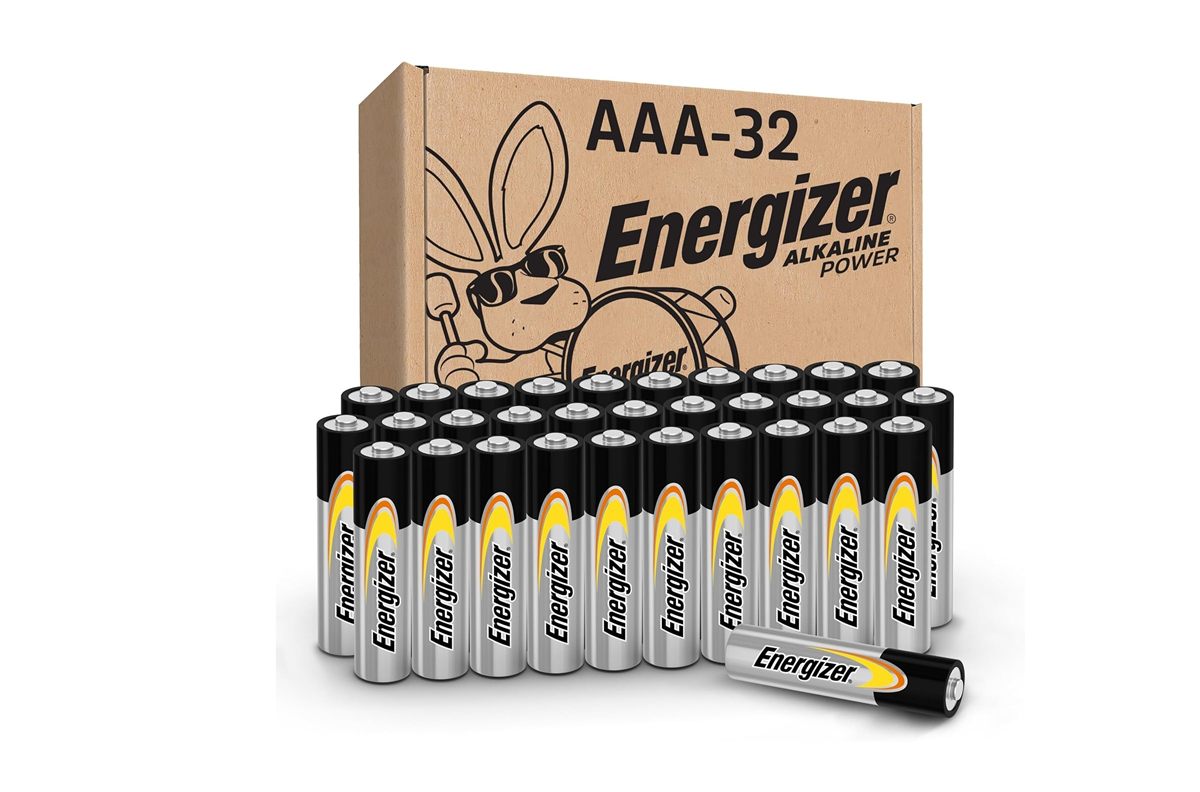
- Battery tester and a rotating stock of the sizes your devices actually use (AA/AAA are the most common across radios and flashlights)
- A portable power bank or power station to keep the maintenance cycle (charging, testing) independent of grid power: see our Best Solar Generators guide
- A basic toolkit (screwdrivers, pliers) kept with the emergency kit itself, not scattered in a garage, so repairs during an actual emergency do not require a search
Choose Tools by Task and Skill
Rather than another generic "best of" roundup, match the tool to the actual task you are solving for:
Essential vs Optional Equipment
| Task | Essential Tool | Optional Upgrade |
|---|---|---|
| See in the dark / work hands-free | Headlamp | LED lantern for whole-room lighting |
| Cut, pry, or repair on the go | Basic multi-tool | Fixed-blade knife + dedicated pliers for heavy use |
| Start a fire without matches getting wet | Waterproof matches or a lighter | Ferro rod as a backup with no consumable fuel |
| Charge phones and small devices | Portable power bank | Portable power station + solar panel for repeated daily charging |
| Get weather and emergency alerts | Hand-crank NOAA radio | HAM radio (requires a license) for two-way communication |
| Handle a vehicle breakdown | Jumper cables or a jump starter | Full Car Emergency Kit setup for road trips |
Essential tools cover the task at minimum cost and skill requirement; optional upgrades add capability, redundancy, or comfort once the essentials are covered. This mirrors the same priority logic used throughout our 72-Hour Emergency Kit guide: cover the baseline before upgrading. We deliberately do not cover unsafe DIY utility work here (gas line repair, electrical panel work); those tasks belong to a licensed professional, not a prepper toolkit.
Power & Charging
- TOP PICK Best Solar Generators for Emergency Backup Power
- NEW National Grid Power Outage Risk 2026: Data Centers & Winter Demand
- Best Portable Generators for Home Emergency Backup
- Best Solar Power Banks for Emergency Phone Charging
- Grid-Down Long-Term Power Planning Guide
- Off-Grid Heating Options: Stay Warm When the Power Goes Out
Communications
- Best Emergency Hand Crank Radios: NOAA Weather Radio Guide
- HAM & CB Radio Guide for Preppers: Off-Grid Communication
- Best Walkie Talkies for Emergency Communication
- Best Satellite Communicators for Emergency Use
Tools & Lighting
- Best Emergency Flashlights & Lanterns: Power Outage Guide
- NEW Best Headlamps for Emergency Kits and Power Outages
- NEW Best Battery-Powered Fans for Power Outages
- Best Survival Multi-Tools & Knives: Complete Review
- Best Fire Starting Kits: Never Be Without Fire
- NEW Best Portable Jump Starters for Car Emergency Kits
- Winter Car Emergency Kit: Cold Weather Vehicle Survival
Not sure where to start?
Start with our Beginner's Guide to Emergency Preparedness: a step-by-step roadmap that takes you from zero to prepared in under 30 days, for under $100.
Start Here →